Introduction
In today's globe, where power performance is ending up being a top priority for property owners and companies alike, the heat pump installation has actually become a clever solution. Not only do heat pumps provide home heating during the cool months, but they can also efficiently cool rooms when temperature levels climb. With improvements in innovation and expanding issues concerning environmental effect, selecting heat pumps is not just a trend; it's a mindful option towards sustainability and savings.
But what exactly makes heatpump installation such a wise choice? This article dives deep into the ins and outs of heat pumps, exploring their benefits, setup processes, maintenance requirements, and how they compare to conventional heating methods. Whether you're considering mounting one or just interested concerning just how they work, you're in the best place.
Heat Pump Setup: A Smart Selection for Energy Efficiency
When we talk about power efficiency in home heating and cooling systems, heat pumps commonly entered your mind. They use power to move warm as opposed to generating it via burning like typical systems. This efficient system enables them to provide up to 3 times much more energy than they eat.
What Is a Warm Pump?
A heat pump is essentially a device that moves heat from one area to another. It can absorb heat from the air or ground outside your home and launch http://cristiannafa395.tearosediner.net/comprehending-emergency-cooling-and-heating-services-and-when-to-call-them it inside throughout winter months while doing the contrary in summer. This dual functionality is what makes it various from conventional HVAC systems.
How Does Heat Pump Modern Technology Work?
The operation of a heat pump entails four main elements:
Evaporator Coil: Takes in warmth from the environment. Compressor: Rises the temperature of the absorbed heat. Condenser Coil: Releases the heated air right into your home. Expansion Valve: Regulates the flow of refrigerant within the system.The intermittent process permits both heating and cooling capabilities with minimal energy consumption.

Why Select Warm Pumps Over Conventional Systems?
- Energy Efficiency: As mentioned earlier, heatpump are very efficient because of their technique of transferring instead of creating heat. Cost Savings: Although first costs may be greater contrasted to conventional furnace, long-term cost savings on utility expenses make it an economically audio choice. Environmental Impact: Lower carbon discharges add to reducing your carbon footprint. Versatility: One system can deal with both home heating and cooling needs throughout the year. Longevity: With proper maintenance, heatpump can last approximately 15 years or more.
Understanding Different Sorts of Warm Pumps
Air Resource Warm Pumps
These are one of the most typical types that extract warm from outside air even when temperature levels are low.
Ground Source (Geothermal) Warmth Pumps
These systems utilize underground thermal power and are exceptionally reliable however featured higher installation prices as a result of substantial ground excavation.
Water Source Warmth Pumps
Ideal for homes near water bodies, these systems remove thermal power from water sources.
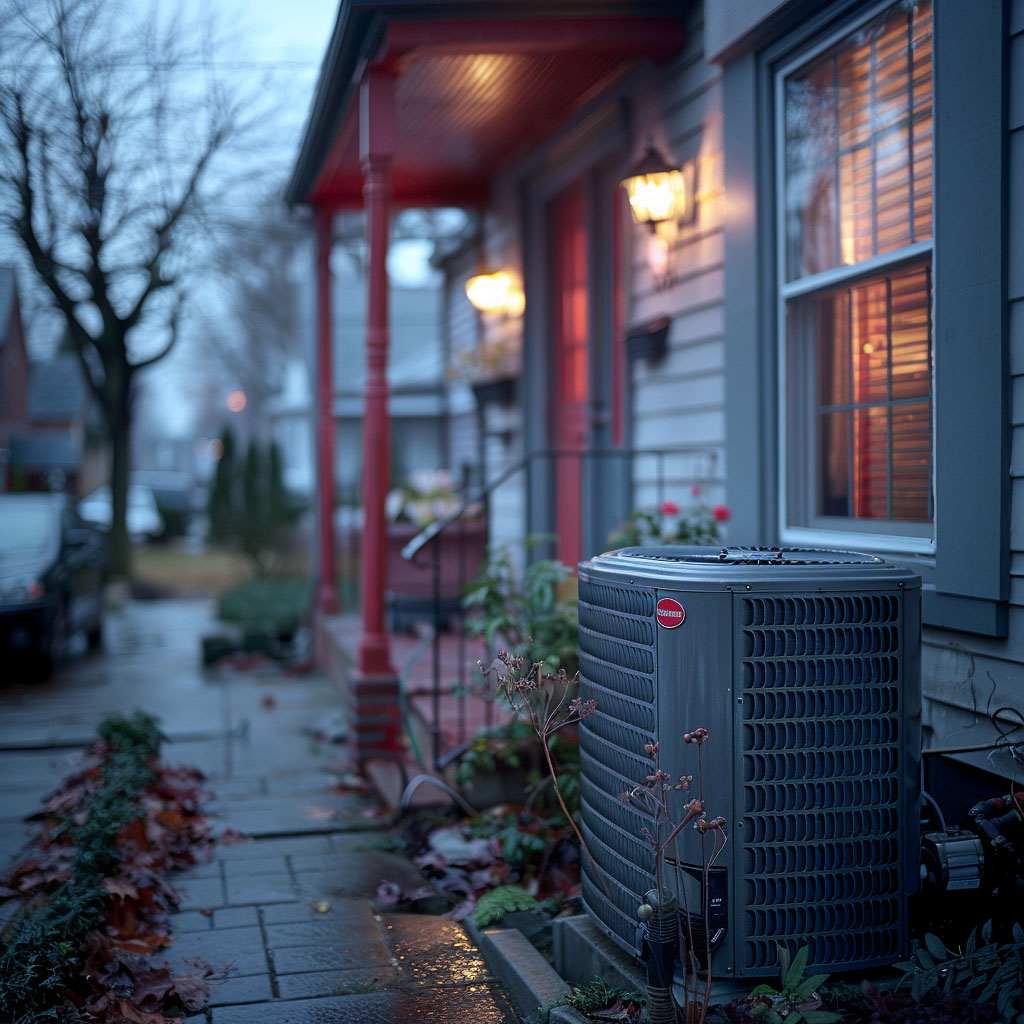
Heat Pump Setup Process Explained
Step 1: Analyzing Your Needs
Before any type of installation occurs, it's vital to evaluate your specific heating and cooling demands. Consulting with a skilled HVAC contractor can aid figure out the appropriate size and type of system for your space.
Step 2: Selecting an A/c Company
Selecting a reliable HVAC company near you is important for high quality setup. Try to find companies with solid evaluations like "HVAC Company Boise" or "HVAC Contractor Boise." They need to have experience in installing different types of a/c systems including furnace replacement or central air service.
Step 3: Preparing Your Home
Ensure that your home's insulation is adequate before installment starts. Proper insulation makes best use of effectiveness by preventing thermal loss.
Step 4: Installation Day!
On today, experts will certainly mount outdoor and interior devices according to maker specifications and regional codes. The process commonly consists of:
- Mounting exterior units Installing interior air handlers Connecting refrigerant lines Ensuring electrical links are safe
Step 5: Testing System Performance
Once set up, technicians will run examinations to guarantee everything runs efficiently. They'll inspect airflow prices, thermostat function, and general effectiveness levels.
Heat Pump Upkeep Tips for Longevity
To keep your brand-new system running effectively in time, normal upkeep is key:
Schedule yearly HVAC maintenance near you. Change filters every 1-- 3 months. Clean exterior devices regularly. Ensure clear accessibility around all devices for airflow. Keep track of any unusual noises or operational concerns-- do not think twice to call for emergency furnace repair if needed!Common Mistaken beliefs Regarding Warm Pumps
Myth # 1: They're Inefficient in Cold Weather
Contrary to this belief, modern-day heat pumps are created effectively enough to operate also when temperatures dip below freezing!
Myth # 2: They're Also Expensive
While preliminary prices may be greater than standard systems, the lasting financial savings in energy expenses generally outweigh these ahead of time expenses.
FAQs Regarding Heatpump Installation
How a lot does it cost to install a heat pump?- Costs differ based upon size and kind yet normally variety in between $3,500 - $8,000 including labor.
- Sizing depends upon square video footage; getting in touch with an HVAC contractor near you makes sure precise computations using Hand-operated J methods.
- While DIY installments might be alluring, it's recommended to employ experts for security factors and warranty protection.
- With correct treatment & & upkeep plans from an HVAC company Boise location experts suggest regular checks annually; life expectancy normally ranges from 10-- 15 years depending upon use conditions!
- Yes! Lots of states use motivations or tax credit reports for energy-efficient upgrades consisting of mounting certified versions so check neighborhood resources!
- Regular filter modifications & & annual tune-ups by licensed service technicians make sure ideal efficiency throughout its lifecycle!
Conclusion
In final thought, buying a heat pump installation stands for not just an upgrade in home comfort yet likewise straightens carefully with contemporary worths relating to sustainability and economic effectiveness-- making it indeed a smart option! By understanding exactly how these systems work and acknowledging their advantages over traditional ones together with appropriate aftercare via certified provider such as emergency furnace repair alternatives nearby you'll make sure optimal returns on investment while enjoying year-round environment control without damaging checking account down line too much either way!